
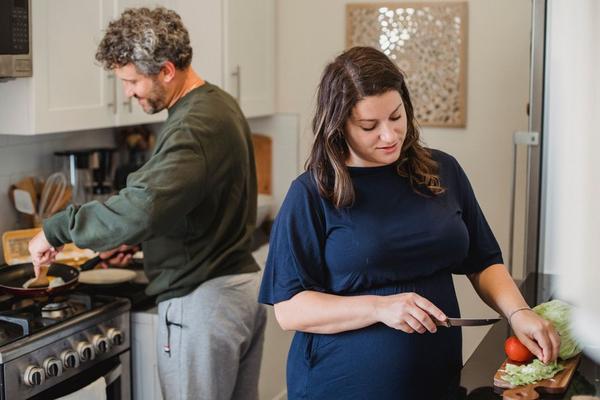
A kitchen can change from ordinary to hazardous the moment a baby starts crawling. A cupboard handle becomes something to pull, a dangling cable becomes a toy, and a warm oven door sits at exactly the height of an unsteady new walker. Effective babyproofing kitchen spaces means looking beyond sharp objects and thinking about what a child can reach, open, tip, swallow, or pull down.
The best approach combines secure storage, barriers during cooking, and small changes to everyday habits. No latch replaces adult supervision, but preparation gives families more room to manage busy meals safely.
Start With a Baby-Level Kitchen Safety Check
Get down to your baby’s height and follow the routes they might take from the doorway to the sink, cabinets, refrigerator, and cooking area. Look for handles to grab, drawers that open, loose items on the floor, and anything tempting just above eye level.
Then imagine a walking baby using furniture for balance. A child who cannot reach a countertop today may soon pull up on a chair or climb a drawer. Repeat your inspection as mobility changes, especially after rearranging furniture.
Decide When the Kitchen Should Be Off-Limits
During active cooking, separating babies from the stove and hot liquids is often safer than letting them explore nearby. Use a properly fitted, securely installed safety gate at the kitchen entrance where the layout permits. Choose a gate designed for that opening and follow its instructions.
In an open-plan home, arrange for another adult to supervise your child in a separate safe play area when possible. A crib or play yard can provide a short-term alternative when used correctly. Never rely on a gate or play space to supervise a baby by itself.
Picture draining a pot of pasta while your toddler rushes toward your legs. Preventing access before boiling water is lifted is safer than trying to dodge a moving child with a heavy, hot pan.
Make Cabinets and Drawers Truly Child-Resistant
For baby safe cabinets, fit child-resistant latches to doors and drawers containing breakable dishes, heavy cookware, utensils, or other unsafe items. Check that each latch engages automatically and cannot be defeated by a firm tug. Recheck fasteners because adhesive or screws can loosen.
Move knives, scissors, graters, skewers, and food processor blades to high, secured storage. Drawer locks help, but sharp tools should not sit loose where a failed latch exposes them immediately. Secure heavy appliances and cookware rather than assuming a low cupboard is harmless.
A designated low drawer containing lightweight, age-appropriate, nonbreakable items can offer supervised exploration. Keep it separate from cleaning products, and check that the drawer cannot trap fingers or tip furniture.
Lock Away Cleaning Products and Other Poisons
Cleaning sprays, dishwasher detergent, laundry pods, disinfectants, medications, and other chemicals belong in locked storage, ideally up high. The cabinet beneath the sink deserves special attention because it is accessible to crawlers and often contains several products at once.
Keep substances in their original labeled containers. Never pour a cleaner into a juice bottle, and do not trust child-resistant packaging as a substitute for locked storage. Put products away immediately after use, including during an interrupted cleanup.
In the United States, save the Poison Help number, 1-800-222-1222. If a child may have swallowed a harmful substance, contact Poison Control promptly rather than waiting for symptoms; call emergency services for severe symptoms such as trouble breathing or unconsciousness. Do not induce vomiting unless instructed by a professional.
Reduce Burns Around the Stove, Oven, and Counter
Use rear burners when practical and turn pan handles inward, away from the counter edge. Keep hot drinks, soup, kettles, and recently cooked food well back from reachable surfaces. Avoid holding a baby while handling hot liquids or carrying hot cookware.
Consider child-resistant stove-knob covers where suitable, and confirm controls are fully off after cooking. Keep children away from hot oven doors, open dishwashers with hot contents, and appliances that remain hot after switching off.
Do Not Overlook Stove Tip-Overs
Freestanding ranges should have the manufacturer’s anti-tip bracket properly installed and engaged. A child climbing on an open oven door can tip an unsecured range forward, causing crushing injuries or serious burns. Check the manual or ask a qualified installer if you are unsure about the bracket. Do not store enticing items above the stove.
Control Cords, Plugs, Appliances, and Small Objects
Move toasters, blenders, coffee makers, and electric kettles away from edges. Unplug countertop appliances when not in use and keep cords entirely out of reach; a tug can bring a heavy device or hot contents down onto a child. Use suitable outlet protection and avoid damaged cords.
Check the refrigerator door for small magnets that could detach, and pick up dropped bottle caps, batteries, food scraps, and other choking hazards immediately. Store plastic bags out of reach. Close the dishwasher after loading, secure knives inside it, and keep detergent inaccessible.
For a more complete room-by-room plan, see babyproofing your home room by room. Families with open kitchens may also benefit from choosing and installing baby gates.
Build Safer Habits Into Daily Kitchen Routines
Kitchen babyproofing works best when everyone follows the same rules. Keep a clear path between stove and sink, wipe spills quickly, and return sharp utensils to storage as soon as meal preparation ends. Avoid leaving chairs or step stools near counters where a new climber could use them.
Before opening an oven or moving a hot pan, locate your child. During snacks, seat babies appropriately and supervise eating; kitchen safety for babies includes choking prevention as well as preventing burns and poisonings. A guide to common choking hazards for babies can extend those habits beyond the kitchen.
Review the setup whenever your child gains a new skill. A childproof kitchen is not a one-time installation; it changes as crawling becomes cruising, walking, and climbing.
Frequently Asked Questions
When should I start babyproofing the kitchen?
Begin before your baby becomes mobile, ideally when rolling and early crawling make independent movement likely. Waiting until a baby reaches a hazard leaves little time to install and test safety devices.
Are magnetic cabinet locks enough to keep a baby safe?
They can help when correctly installed and consistently engaged, but no lock is foolproof. Chemicals, medicines, and sharp objects should be stored securely, with locks checked often and adults supervising exploration.
Can my baby play in the kitchen while I cook?
A separate safe area is better during cooking involving boiling water, frying, or a hot oven. If a child must be nearby, another attentive adult should supervise them away from the cooking zone.
What kitchen hazards do parents most often overlook?
Draping appliance cords, detergent pods under the sink, reachable hot drinks, unsecured ranges, tiny fridge magnets, and chairs used for climbing are easy to miss. A floor-level inspection often exposes them.
A Safer Kitchen Starts With Layers of Protection
Focus first on preventing access to heat, poisons, and sharp tools; then secure drawers, cords, appliances, and small objects. Combine these measures with a clear cooking-time boundary and supervision. The goal is not to stop your baby exploring, but to make exploration safer as each new milestone arrives.