
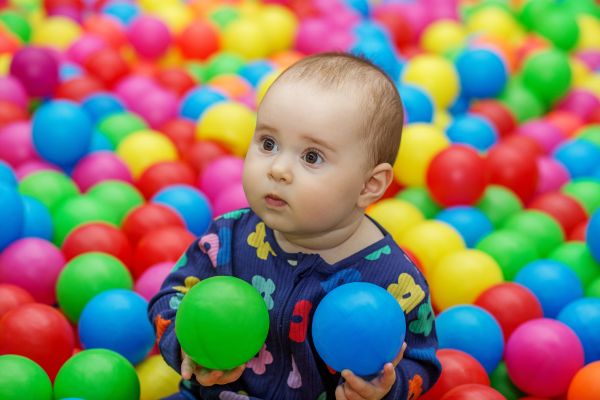
A baby ball pit has a way of turning an ordinary corner of the room into a tiny world of color, movement, and discovery. At first glance, it may look like simple fun: a soft space filled with lightweight balls where a baby can sit, reach, roll, and giggle. But for many babies, that playful little setup offers more than entertainment. It becomes a gentle place to explore the body, test new movements, and experience the world through touch, sight, and sound.
The best part is that babies do not need complicated activities to learn. They learn through small, repeated experiences. A ball rolling away, a hand sinking into a pile of plastic balls, a bright color catching the eye, or a parent laughing nearby can all become meaningful moments. That is why baby ball pit benefits often go beyond what parents expect. When used safely and thoughtfully, a ball pit can support sensory play, coordination, confidence, and early social interaction in a natural, joyful way.
Why Babies Are Drawn to Ball Pits
Babies are curious by design. They want to touch, mouth, shake, drop, and move almost everything they can safely reach. A ball pit gives them a rich but simple environment to explore. The balls are light enough for little hands to move, colorful enough to hold attention, and soft enough to make play feel approachable.
For babies who are learning to sit, crawl, or shift their weight, a ball pit can feel especially interesting. The surface is not completely still. Balls move around the body, creating a gentle challenge. A baby may lean forward to grab one, turn to follow another, or push against the side for balance. These tiny adjustments look playful, yet they help babies practice body control.
There is also something emotionally inviting about a ball pit. It feels contained, cozy, and exciting at the same time. With a familiar adult nearby, babies can enjoy a sense of independence while still feeling safe.
Sensory Play Through Touch and Movement
One of the most noticeable baby ball pit benefits is sensory development. Babies learn a great deal through their senses, especially touch. In a ball pit, they feel smooth surfaces, gentle pressure, shifting weight, and the movement of balls around their hands, legs, and body.
This kind of sensory input can help babies become more aware of where their body is in space. When they kick and feel the balls move, they begin to connect action with response. When they reach into the pit and pull out a ball, they experience texture, shape, and resistance. Even the sound of balls gently clicking together adds another layer of sensory feedback.
For some babies, this experience is calming. For others, it is exciting. Both responses are normal. The key is to watch the baby’s cues. If they seem happy, alert, and engaged, the activity is likely working well. If they turn away, fuss, stiffen, or seem overwhelmed, a shorter session may be better.
Helping Babies Practice Hand-Eye Coordination
A ball pit naturally encourages babies to look, reach, grab, and release. These actions support hand-eye coordination, which develops gradually during infancy. A baby may first stare at a ball, then swipe toward it, and eventually grasp it with more control.
Because balls roll and shift, they invite repeated attempts. A baby might reach for a red ball, miss it, try again, and finally catch it. That little sequence matters. It teaches persistence, focus, and coordination without feeling like a formal exercise.
As babies grow, parents can make the play slightly more interactive. Rolling a ball slowly toward the baby, placing one just within reach, or gently naming colors can turn simple play into a shared learning moment. There is no need to over-direct. Babies benefit most when they have time to explore at their own pace.
Supporting Gross Motor Development
Ball pits can also support larger body movements. For babies who are sitting independently, the shifting surface encourages balance. They may use their core muscles to stay upright, twist to reach a ball, or lean forward and push back again.
For babies who are crawling or beginning to crawl, a ball pit offers a playful space to practice movement. They may push through the balls, lift their knees, or stretch their arms forward. These actions can strengthen the shoulders, arms, back, and core.
Even younger babies can enjoy modified ball pit play with close supervision. A few balls placed around them during tummy time may encourage head lifting, reaching, or turning. The activity should always match the baby’s age, strength, and comfort level. A baby who is not ready to sit alone should be supported, and the ball pit should never replace attentive adult supervision.
Encouraging Curiosity and Problem Solving
A baby ball pit may seem simple, but babies often treat it like a small puzzle. What happens when I push this ball? Why did it roll away? Can I hold two at once? What if I drop one outside the pit?
These questions are not formed in words, of course, but the learning is real. Babies experiment constantly. They repeat actions to see whether the same thing happens again. This is the beginning of problem solving.
A ball pit gives them plenty of safe opportunities to test cause and effect. If they throw a ball gently, it moves. If they press down, balls shift. If they hide a hand beneath the balls, it disappears and reappears. These little discoveries help babies understand how their actions influence the world around them.
Building Confidence Through Independent Play
Babies need closeness, but they also benefit from small moments of independence. A ball pit can offer that balance beautifully. While a parent sits nearby, the baby can choose what to touch, where to look, and how to move.
This sense of control can build confidence. A baby who successfully grabs a ball or shifts position may show visible excitement. Sometimes it is a smile, a squeal, or a proud little bounce. These moments help babies feel capable.
Independent play does not mean leaving the baby alone. It means allowing them space to explore while staying present and attentive. A parent can observe, respond, and join in without taking over the entire experience.
Supporting Early Language and Social Interaction
A ball pit can become a lovely setting for early language. Parents can describe what the baby is doing in simple, natural words: “You found the blue ball,” “That one rolled away,” or “You are sitting so tall.” This kind of everyday narration helps babies hear language connected to real actions.
Social interaction also grows through turn-taking. A parent may roll a ball to the baby and wait. The baby may pat it, push it back, or simply smile. These small exchanges teach rhythm, attention, and connection.
For older babies, ball pit play can also introduce simple social concepts like sharing and waiting, especially when siblings or other children are nearby. Of course, babies are not expected to master these skills early. But gentle exposure helps them begin to understand play with others.
Making Indoor Play More Active
Parents often look for safe indoor activities, especially on rainy days, cold mornings, or times when outdoor play is not practical. A baby ball pit can make indoor play feel more active without needing a large space.
It gives babies a reason to move, reach, twist, and explore. Unlike passive entertainment, ball pit play invites physical participation. The baby is not just watching something happen; they are part of the action.
This can be especially helpful for babies who need variety in their day. Moving from floor play to reading time, then to a short ball pit session, can create a gentle rhythm that keeps the day engaging without overstimulation.
Choosing Safe and Age-Appropriate Ball Pit Play
Safety matters with any baby activity. A baby ball pit should be used only when an adult is close by and watching carefully. The balls should be large enough that they do not pose a choking risk, lightweight, and free from cracks or sharp edges. The pit itself should be stable, soft, and suitable for the baby’s age and movement stage.
Cleanliness is important too. Babies often put hands and toys in their mouths, so balls should be washed regularly. If more than one child uses the ball pit, cleaning becomes even more important.
It is also wise to keep sessions short at first. Babies can become tired or overstimulated more quickly than adults expect. A few happy minutes are better than a long session that ends in frustration.
Reading Your Baby’s Cues
Every baby responds differently to a ball pit. Some dive into the experience with excitement, while others need time to warm up. A cautious baby might prefer sitting beside the pit and touching a few balls before going inside. That is still valuable play.
Parents can follow the baby’s lead. If the baby reaches, smiles, babbles, or relaxes into the activity, they are likely enjoying it. If they cry, arch away, or seem tense, it may be time for a break. There is no need to rush the process.
The goal is not to make every baby love ball pits. The goal is to offer a safe, playful sensory experience and let the baby respond naturally.
Conclusion
The benefits of baby ball pits are rooted in simple, joyful exploration. A ball pit gives babies a colorful space to touch, reach, roll, balance, and discover how their bodies move. It can support sensory development, coordination, gross motor skills, early problem solving, confidence, and social connection, all through play that feels light and natural.
Like many baby activities, the value is not in how fancy the setup is. It is in the small moments: a baby grabbing a ball for the first time, turning toward a parent’s voice, pushing through the colors, or laughing as a ball rolls away. With safe materials, close supervision, and a calm approach, ball pit play can become a sweet part of early childhood.
In the end, a baby ball pit is more than a pile of bright balls. It is a little landscape of movement and discovery, where babies can learn through curiosity, comfort, and play.