
Building Connection at a Natural Pace
Blended families rarely become close overnight. Even when everyone has good intentions, there are new routines to learn, different personalities to understand, and sometimes old hurts sitting quietly in the background. Children may be adjusting to a new home, a new step-parent, new siblings, or a different way of sharing time with both parents. Adults may be trying hard to create warmth without forcing closeness too quickly.
That is why blended family bonding activities matter. They give everyone a chance to connect through shared moments instead of heavy conversations or pressure. A simple game night, a walk after dinner, or cooking together can do what long lectures cannot. These activities create small openings for trust, laughter, and familiarity. Over time, those small openings can become real family bonds.
Start With Low-Pressure Activities
In a blended family, the best bonding moments often begin with activities that do not demand too much emotional closeness right away. Not every child is ready for “family time” that feels intense or staged. Some may resist anything that seems like a replacement for their original family life. Others may simply feel shy or uncertain.
Low-pressure activities work because they allow people to participate without feeling watched. Watching a movie together, doing a puzzle, baking cookies, playing a casual board game, or taking a short walk can help everyone relax. These moments do not require deep talking, but they still create shared experience.
The goal is not to make everyone instantly comfortable. The goal is to create a rhythm where being together starts to feel normal. Familiarity is often the first step toward affection.
Create a Weekly Family Meal Tradition
Food has a quiet way of softening tension. A shared meal gives everyone a place to gather without making bonding feel like a formal project. For blended families, a weekly meal tradition can become a steady point in the middle of changing schedules and mixed emotions.
It does not need to be fancy. It could be Friday pasta night, Sunday breakfast, homemade pizza evening, or a rotating “choose the meal” tradition where each family member gets a turn. Children can help with small tasks such as washing vegetables, setting the table, mixing batter, or choosing music for the kitchen.
Cooking together also gives people something to talk about besides difficult topics. A child who may not want to discuss feelings might still laugh when flour spills on the counter or when someone burns the first pancake. These ordinary moments slowly become family memories.
Use Outdoor Time to Ease Awkwardness
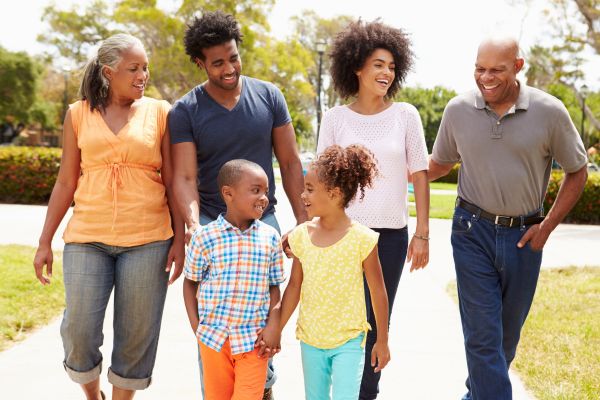
Outdoor activities are especially helpful because they reduce the feeling of being stuck face-to-face. Walking, hiking, cycling, gardening, playing catch, visiting a park, or having a picnic can create a more relaxed kind of togetherness.
Children often open up more naturally when they are moving. A step-parent and child may find it easier to talk while kicking a ball around than while sitting across from each other at the table. Siblings who are still figuring each other out may bond faster while building a sandcastle, flying a kite, or exploring a trail.
Nature also gives everyone a shared focus. There is always something to notice: weather, birds, flowers, clouds, funny signs, muddy shoes. It sounds small, but small things are often where connection begins.
Plan Game Nights That Encourage Laughter
Game nights can be one of the most effective blended family bonding activities because they bring playfulness into the home. Laughter can break down stiffness in a way few things can. The key is choosing games that suit the ages and personalities in the family.
Competitive games can be fun, but they should not become a source of stress. Cooperative games, team games, trivia, charades, word games, or simple card games may work better in the early stages. Pairing people in changing teams can also help step-siblings and step-parents interact without making it feel too personal.
The best game nights are not about who wins. They are about shared jokes, silly mistakes, and the feeling that home can be enjoyable. For children adjusting to a blended family, that feeling matters deeply.
Make Room for One-on-One Time
Whole-family bonding is important, but individual relationships need attention too. A step-parent may need time with each child separately. Step-siblings may also benefit from spending time together without the full family around.
One-on-one activities do not have to be big events. A short trip for ice cream, reading together before bed, working on a small craft, washing the car, walking the dog, or running a simple errand can create space for conversation. These quiet moments help children feel seen as individuals, not just as part of a new family arrangement.
This is especially important when some children feel they are competing for attention. In blended families, reassurance often needs to be shown through repeated actions. A child may not ask directly, “Do I still matter?” but they may be wondering it. Personal time helps answer that question gently.
Build New Traditions Without Erasing Old Ones
Blended families often carry traditions from different households. One family may open gifts in the morning, another in the evening. One may celebrate birthdays with a big party, another with a quiet dinner. Even weekend routines can feel emotionally loaded.
Rather than replacing old traditions, families can create new ones alongside them. This helps children feel that their past is respected while the new family is also allowed to grow. A new tradition might be a monthly movie night, a yearly camping trip, a special holiday breakfast, or a family photo at the start of each school year.
The important thing is to let traditions form naturally. If something makes everyone smile, repeat it. If it feels forced, adjust it. Families are not built by copying a perfect picture. They are built by noticing what brings people closer.
Encourage Creative Projects Together
Creative activities can be wonderful for blended families because they allow everyone to contribute in their own way. Painting, making a scrapbook, decorating a shared space, planting a small garden, building a birdhouse, or creating a family recipe book can turn bonding into something visible.
A shared project gives children a sense of ownership. Instead of feeling like they are simply entering someone else’s home, they help shape the space and the memories inside it. A family wall with photos, drawings, or travel memories can be especially meaningful, as long as it includes all children fairly.
Creative projects also reveal personality. One child may be careful and detailed. Another may be bold and messy. One adult may be surprisingly terrible at crafts, which can become its own source of laughter. That is part of the charm.
Volunteer or Help Others as a Family
Helping others can bring a blended family together around a shared purpose. It shifts the focus from “Are we bonding?” to “What can we do together that matters?” This can be powerful, especially for families who feel awkward trying to connect directly.
Volunteering at a community event, helping an elderly neighbor, preparing food for someone in need, donating clothes, cleaning a local area, or supporting a school project can create a sense of teamwork. Children learn that family is not only about living under one roof. It is also about showing up, cooperating, and caring beyond the home.
These activities should match the children’s ages and comfort levels. The point is not to make service feel like a performance. It is to share a meaningful experience that reminds everyone they can work well together.
Respect Different Comfort Levels
Not every bonding activity will work for every person. Some children may join eagerly. Others may hang back. A teenager may roll their eyes at family game night but still listen from the couch. A younger child may want attention one day and reject it the next. This is normal.
Blended families need patience. Forcing closeness can create resistance, especially if children feel pressured to accept a new parent figure or sibling before they are ready. Invitations usually work better than demands. “We would love you to join us” feels different from “You have to act like a family now.”
Respecting space does not mean giving up. It means staying steady. Keep offering warmth. Keep making room. Keep showing that connection is available without being forced.
Celebrate Small Signs of Progress
In blended families, progress can look very ordinary. A child laughs at a step-parent’s joke. Step-siblings choose to sit near each other. Someone asks for help with homework. A teenager stays in the room a little longer than usual. These moments may not look dramatic, but they matter.
Adults sometimes expect bonding to look like instant affection. Real bonding is often quieter. It shows up in comfort, routine, trust, and small acts of kindness. When families notice these signs, they can appreciate growth without putting too much pressure on it.
The strongest blended family bonding activities are usually the ones that make space for these small moments to happen naturally.
Conclusion
Blended family bonding activities are not about creating a perfect family image. They are about giving relationships time, space, and repeated chances to grow. Shared meals, outdoor time, game nights, creative projects, one-on-one moments, and new traditions can all help family members feel more comfortable with one another.
The process may be slow, and that is okay. Trust often grows quietly before anyone names it. What matters most is consistency, patience, and a home atmosphere where every person feels included without being rushed. Over time, simple activities can become shared memories, and shared memories can become the foundation of a family that truly feels connected.