
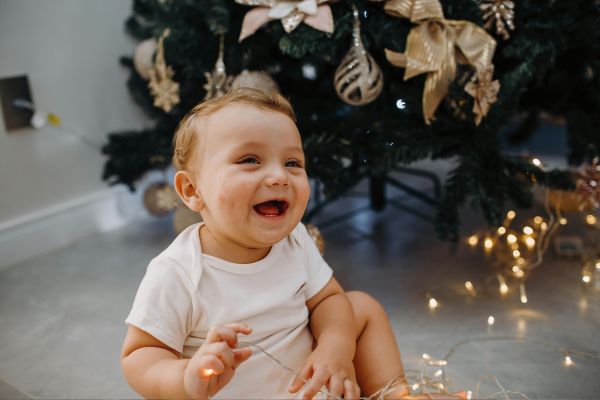
The holiday season has a way of making families look back while also celebrating what is happening right now. Decorations come out of storage, familiar songs return, and old photo albums suddenly feel more interesting than they did a few months earlier. When a new baby is part of the family, that sense of memory becomes even stronger.
Holiday season baby photo cards offer a simple way to capture that chapter. They can introduce a newborn, mark a baby’s first holiday, or simply share a warm family moment with relatives and friends. The most memorable cards are rarely the most elaborate ones. They feel personal, natural, and connected to the season without turning the baby into part of an overly staged production.
Why Baby Photo Cards Feel Especially Meaningful
A holiday card is already a small record of time. Add a baby to the picture, and it becomes something closer to a keepsake.
Babies change quickly, sometimes within only a few weeks. A newborn who sleeps through the first photo session may be smiling by the time the cards arrive. A baby celebrating a second holiday season may already be crawling, waving, or pulling ornaments from the lower branches of the tree.
That rapid change gives holiday season baby photo cards lasting emotional value. Recipients may display them for only a few weeks, but parents and grandparents often keep them much longer. Years later, the card can bring back the exact stage the baby was in, including the round cheeks, soft hair, serious expressions, and tiny outfits that no longer fit.
The card also becomes part of the family’s holiday history. When several years are placed side by side, they tell a quiet story of growth.
Choosing a Mood That Matches Your Family
Holiday imagery often leans toward one of two extremes: very formal or extremely playful. Neither approach is wrong, but the card will feel more authentic when the mood matches the family.
A calm, cosy photograph may suit parents who prefer simple seasonal traditions. Soft blankets, warm window light, and a peaceful baby can create a card that feels intimate rather than decorative. Families with a more energetic style may enjoy bright pyjamas, funny expressions, or a candid photo taken during holiday preparations.
The goal is not to reproduce a perfect seasonal scene. It is to create an image that looks believable for the people in it.
Parents should also think about how much of the holiday theme they want to include. A small branch of greenery, a neutral stocking, or soft string lights may be enough. Too many props can distract from the baby, especially when the card itself will be printed at a relatively small size.
Working With the Baby’s Natural Routine
The best time to photograph a baby is usually when the baby is comfortable, not when the light is perfect or the decorations are finally arranged.
A rested and recently fed baby is more likely to tolerate a short photo session. Newborns may photograph well while sleeping, while older babies often respond better after a nap. Parents can prepare the background, clothing, and camera before placing the baby in position.
This preparation matters because babies do not understand the importance of holiday deadlines. They may become hungry, pull at their clothing, spit up, cry, or suddenly decide that the camera strap is the most interesting object in the room.
Keeping the session brief helps preserve a relaxed atmosphere. A few minutes can produce several useful photographs. There is no need to continue once the baby becomes tired or frustrated. Trying again later is usually easier than forcing the moment.
Creating a Seasonal Setting Without Overcrowding It
A holiday setting should support the image, not take it over. The baby remains the centre of attention.
A plain wall, textured blanket, softly decorated tree, or comfortable armchair can work well. Natural daylight from a nearby window often creates a gentle look, particularly for indoor winter photographs. Direct flash can feel harsh and may make the image look flatter than it appeared in person.
Parents may also use familiar spaces rather than building a separate photo area. A baby lying near the tree, sitting beside a family stocking, or being held in the kitchen during holiday baking can create a more personal image.
Safety is essential when using seasonal decorations. String lights, glass ornaments, candles, ribbons, and small decorative pieces should remain out of reach. Babies can grab objects quickly, and anything included in the photograph should be secure and closely supervised.
Sometimes the simplest setting is the most effective. A baby in a comfortable outfit against a clean background may feel more timeless than an image filled with trendy decorations.
Selecting Clothing That Photographs Naturally
Holiday clothing can help establish the mood, but comfort should come first. An uncomfortable baby rarely stays cheerful for long.
Soft fabrics, simple layers, and clothing that allows movement are usually practical choices. Traditional colours can create an obvious seasonal feeling, but they are not required. Cream, soft brown, pale blue, muted green, and warm neutral tones can feel festive without being too literal.
Patterns should be considered carefully. A small print may look charming in person but become visually confusing when printed on a card. Large logos, text-heavy clothing, and very busy designs can compete with the baby’s face.
If several family members will appear in the photograph, coordination usually works better than exact matching. Similar tones and textures create harmony while allowing everyone to look like themselves. The baby does not need to wear the boldest outfit to stand out. Attention naturally moves toward the smallest person in the picture.
Capturing Expressions Beyond the Perfect Smile
A smiling photograph is lovely, but it is not the only expression worth using.
Some babies stare seriously at the camera. Others look curious, sleepy, surprised, or mildly confused by the decorations around them. These expressions can be just as charming because they reflect the baby’s real personality at that age.
Parents may find that candid photographs produce the strongest results. A baby reaching toward a parent, laughing at a sibling, or examining a soft ornament can feel warmer than a carefully posed portrait.
Taking several photographs in quick succession can help, especially with older babies who move constantly. The best frame may be the one between poses, when the baby briefly forgets about the camera.
It is also worth keeping a few imperfect images. A yawn, a wrinkled nose, or a determined attempt to crawl away may not become the main card photo, but it can be a wonderful addition to the family album.
Deciding Who Should Appear in the Photograph
Holiday season baby photo cards can feature the baby alone, the immediate family, siblings, or even a beloved pet. The right choice depends on the story the family wants the card to tell.
A baby-only image works well when celebrating a first holiday or announcing a recent arrival. A family photograph may feel more appropriate when the card is part of a yearly tradition. Sibling photographs often carry warmth and personality, though they can require more patience.
Including parents can also help a baby feel secure during the session. A newborn held against a parent’s chest or an older baby sitting comfortably on a lap often appears more relaxed than a baby placed alone in an unfamiliar setup.
There is no requirement for everyone to look directly at the camera. A photograph showing family members interacting can feel more natural and emotionally engaging.
Writing a Message That Complements the Image
The message on the card should sound like the family sending it. It can be warm, humorous, reflective, or very simple.
A short seasonal greeting may be all that is needed when the photograph already carries strong emotion. Parents may also mention that it is the baby’s first holiday season or include a brief family update.
The wording should not compete with the image. Long paragraphs can feel crowded, especially on smaller card layouts. A few thoughtful lines usually create a better balance.
Names and dates can add lasting value, particularly when cards are kept as mementos. Years later, those small details make it easier to place the photograph within the family timeline.
The message does not need to sound formal. A natural sentence often feels more personal than a polished phrase that could have appeared on any card.
Including Real Life in the Final Design
Holiday cards often create the impression that everything was calm and beautifully organised. The reality may have involved missed naps, falling decorations, several outfit changes, and one parent making strange noises behind the camera.
That contrast is part of the experience.
Families should not feel pressured to remove every sign of real life. A slightly crooked blanket, a baby holding a favourite toy, or a genuine laugh can make the image more relatable. The card should feel cared for, but it does not have to look artificial.
Some families even choose a humorous secondary photograph for the back of the card. It may show the baby crying, crawling out of frame, or pulling off a festive hat. This kind of honesty can add warmth without taking away from the main image.
Planning Early Without Losing Spontaneity
Holiday schedules become busy quickly, so taking photographs early can reduce pressure. The session does not need to happen after every decoration is in place. A seasonal background can be created weeks before the main celebrations begin.
Planning ahead also allows time to review the photographs carefully. Parents can choose an image based on expression, clarity, and emotional feeling rather than simply using the first acceptable frame.
At the same time, overplanning can make the process feel stiff. Some of the best card photographs happen unexpectedly during a quiet morning or a family gathering. Keeping the camera nearby and remaining open to spontaneous moments can produce an image that feels more genuine than a formal setup.
The most useful approach is often a combination: prepare a simple plan, then allow the baby’s mood to shape the result.
Preserving the Card After the Season Ends
Once the holidays are over, the card can become part of the family archive rather than disappearing with the wrapping paper.
Parents may place one copy in a baby book, memory box, photo album, or yearly scrapbook. Writing a short note about the photo session on the back can add context. Details that seem unforgettable now, such as the baby’s age, favourite toy, or reaction to the decorations, may become less clear with time.
Digital copies should also be stored with the original photographs. Saving both the finished card and the unedited image gives families more flexibility later.
A single card may seem like a small object, but over the years, a collection of them becomes a visual history of changing faces and family traditions.
A Seasonal Greeting That Becomes a Keepsake
Holiday season baby photo cards are more than a way to send greetings. They preserve a brief stage of childhood within the atmosphere of a particular season.
The strongest cards do not depend on perfect smiles, expensive clothing, or elaborate settings. They succeed because they capture something real: a sleepy newborn, a curious crawler, a laughing sibling, or a family adjusting to a joyful new rhythm.
Long after the decorations are packed away, the photograph remains. It becomes a reminder of how small the baby once was, how the family celebrated, and how quickly one holiday season gave way to the next.