
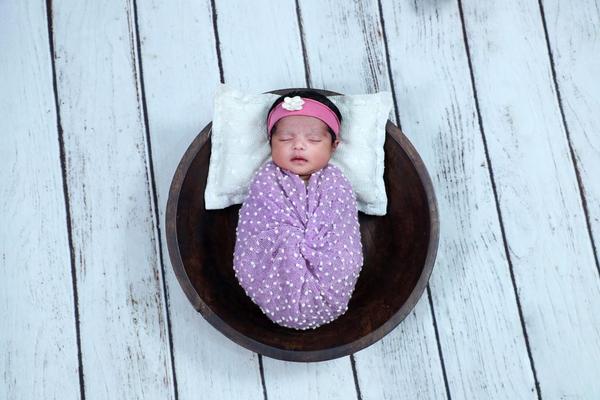
The sweetest newborn photos often happen between ordinary moments: a sleepy stretch after feeding, tiny fingers wrapped around yours, or a quiet cuddle beside the window. You do not need studio lights, elaborate props, or a perfectly decorated nursery to remember this stage. The best newborn photo ideas at home work with your baby’s natural rhythms and the spaces you already use every day.
Think of your pictures as a little story of life together, not a checklist of flawless poses. Ten relaxed minutes can give you photographs that feel more personal than an afternoon of complicated setups.
Start With One Comfortable Spot and Soft Light
Choose a room where your baby is comfortable and where you can move without stepping around equipment. A window with indirect daylight is usually all you need. Turn off harsh overhead lights, open the curtains, and position yourself so the light falls gently across your baby’s face. Avoid strong direct sun.
Clear distracting objects from the background rather than redecorating the whole room. A plain wall, a familiar chair, or the nursery corner will do. Keep your phone charged, wipe its camera lens, and use the regular camera setting before experimenting with portrait mode.
Plan around feeding, changing, and rest instead of trying to make your baby cooperate with a schedule. If the moment isn’t working, put the camera away and try another time.
Natural Newborn Photo Ideas You Can Try Today
The Window-Side Cuddle
Have a parent sit comfortably near a window while holding the baby securely. Take one wider picture showing the room and another closer image of their faces. The contrast between the big, protective embrace and your baby’s small features tells the story without a single prop.
Tiny Hands Holding One Finger
Close-up images are easy DIY newborn photos when you don’t have much space. Rest your hand beside your baby’s hand and photograph the fingers curled around yours. Try the same with feet beside a parent’s palm. Focus on the tiny details and let the background stay simple.
The Everyday Feeding Moment
Capture a bottle-feeding or nursing moment in whatever way feels comfortable and private to your family. A photograph from behind a shoulder can show the baby’s relaxed hand and a parent’s expression without revealing more than you wish. Ask someone else to take the picture rather than juggling a camera while feeding.
A Safe, Simple Bassinet Portrait
A fitted sheet in your baby’s usual bassinet makes a clean background. Photograph your baby lying on their back, from a comfortable angle outside the bassinet, without leaning equipment over them. Keep pillows, toys, loose blankets, and decorative objects out of the sleep space. A plain sleeping portrait can be beautiful on its own.
Over-the-Shoulder Snuggles
A baby resting against a caregiver’s shoulder creates a lovely side profile. Stand near the window and photograph the curve of the baby’s cheek, their small ear, and the caregiver’s supporting hand. Keep the baby’s head and neck supported throughout, and let the cuddle remain a cuddle rather than a pose.
The Nursery in Real Life
Step back for lifestyle newborn pictures that show your baby’s actual surroundings: the chair where you rock them, a favorite lamp in the background, or a parent standing beside the crib. These wider frames may become especially meaningful as the room changes over the years.
Sibling Hello
For a first sibling picture, have an adult hold the newborn while the older child sits nearby or gently touches a foot with guidance. Photograph their expressions instead of asking the sibling to hold or carry the baby. A candid smile or curious glance feels much more genuine than a forced pose.
Use a Three-Frame Story Instead of Chasing One Perfect Shot
Here is a practical approach for a quiet morning. After your baby’s usual care routine, ask a partner to sit by the living-room window. Take one wide frame showing the chair and room, one medium frame of the cuddle, and one close-up of the baby’s hand resting on the parent’s shirt. You now have a complete little story, even if the session lasts only five minutes.
Try the same pattern for bath-time preparation, getting dressed, or a calm moment after a diaper change. Taking wide, medium, and close photographs helps your home baby photos feel varied without requiring a new setup each time.
Small Camera Choices That Make a Big Difference
Get down to your baby’s eye level when the setting allows; pictures taken from far above can miss delicate expressions. Tap your phone screen on the eyes to set focus, and take several frames as the expression changes. If portrait mode blurs fingers or hair unnaturally, switch it off.
Resist heavy filters that turn skin orange or smooth away every crease. A slight adjustment to brightness is often enough. Save a few unedited originals, too. Those tiny features and honest colors are part of the memory. For more ideas as your baby grows, keep a newborn milestone photo checklist and explore monthly baby photo ideas.
Keep Every Photo Session Comfortable and Safe
Newborn photography at home should never depend on balancing a baby in baskets, suspending them in fabric, or copying complex professional poses. Avoid elevated surfaces, unsupported upright positions, and props that could tip or cover the face. Never leave your baby unattended to adjust the camera.
Follow safe-sleep guidance when your baby is asleep: place them on their back on a firm, flat, safety-approved sleep surface with a fitted sheet and no loose bedding or soft objects. Do not use an adult bed or sofa as a sleeping setup for a photograph. If you photograph supervised, awake tummy time, stay beside your baby and end it when they show discomfort. A useful companion topic is how to photograph babies in natural light safely.
Frequently Asked Questions
When is the best time to take newborn photos at home?
There is no magic day. The first few weeks capture early features, but you can start whenever your family feels ready. Choose a calm part of your baby’s regular routine rather than aiming for a rigid session time.
Can I take good newborn pictures with just a phone?
Yes. Window light, a clean lens, steady hands, and thoughtful framing matter more than expensive equipment. Phone cameras are particularly good for spontaneous close-ups and everyday family scenes.
What should my newborn wear for photos?
Choose soft, comfortable clothing that fits properly and does not cover the face. A simple onesie lets expressions and tiny features stand out. Avoid uncomfortable costumes and accessories with small detachable parts.
How do I photograph a baby who keeps fussing?
Stop and meet their needs first. Feed, change, cuddle, or allow rest as appropriate. Some of the most meaningful images come from comforting a baby, not from trying to make them stay still.
Remember the Feeling, Not Just the Picture
Your home does not need to look like a studio for your newborn photographs to matter. The soft light on the wall, the hands that held your baby, and the familiar places where you spent your first days together are the memories worth saving. Take a few simple pictures, then return to the moment itself.