
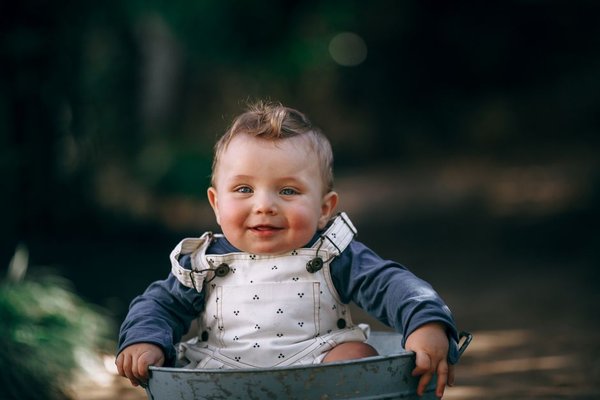
Some baby names feel like they have already lived a full life before they reach the birth certificate. They belong to family photo albums, handwritten letters, and stories told across generations. That is much of the appeal of old fashioned baby names: their value is not dependent on being newly fashionable. Parents choosing them often want a name with roots, a familiar sound, and room for a child to make it their own.
There is no single period that defines an old-fashioned name. For one family, it is a great-grandmother’s name from the 1910s. For another, it is a name carried through several generations or across an ocean. The best choice connects the past to everyday life now.
What Makes a Baby Name Feel Timeless?
Traditional baby names tend to have a history beyond one generation. Some come from religious texts, some from long-established European naming traditions, and others from family or regional customs. They may have recognizable spellings, established pronunciations, or nicknames that relatives have used for decades.
Historical popularity is useful context, but it is not a rulebook. U.S. Social Security Administration records show that John and Mary headed the lists for babies born in the 1900s, with William, James, Helen, and Margaret also prominent. Those records help explain why certain names feel deeply familiar to American families. A name can still be meaningful, though, even if it was never among the national favorites.
Old-Fashioned Girl Names with Lasting Character
Graceful and Familiar Classics
Elizabeth offers remarkable flexibility: Elizabeth can stay formal, while Liz, Beth, Eliza, and Betty bring different personalities. Margaret has the same adaptability with Maggie, Meg, and Peggy. Catherine, also commonly spelled Katherine, feels equally established, and Anna is appealing in its simplicity.
Mary deserves another look. Its long history can make it seem ordinary on paper, yet the name carries unusual weight in many family and faith traditions. Sarah and Hannah also have centuries of use behind them, making them strong choices for parents who prefer quiet familiarity to novelty.
Names That Recall Earlier Generations
Florence has a dignified, lyrical sound; Ruth is short, steady, and distinctive; and Helen feels polished without needing embellishment. Alice sits comfortably between gentle and confident, while Clara and Louise have clear sounds that work well from childhood into adulthood.
Frances can become Fran or Frankie, offering a playful alternative to its formal form. Edith and Mabel have a more unmistakably old timey quality. They are especially appealing when a parent wants a name that sounds inherited rather than simply borrowed from a current style list.
Old-Fashioned Boy Names Worth Keeping
Dependable Names with Family History
James, John, William, and Thomas are enduring classic baby names partly because they are so easy to recognize. James can be Jim or Jamie; William can be Will or Billy; and Thomas can be Tom. These familiar options allow a child to choose how formal or casual the name feels.
Charles offers Charlie, while Joseph can become Joe or Joey. Edward has Ed, Eddie, and Ned, and George stands comfortably on its own. These names have been carried by generations of people from very different backgrounds, making them practical choices for parents seeking continuity.
More Distinctive Traditional Choices
Walter, Arthur, Frederick, and Albert evoke earlier family generations without sounding invented. Walter is sturdy and direct. Arthur has a storybook quality, while Frederick offers Fred or Freddie. Albert feels particularly suited to a family honoring an older relative.
Henry and Theodore bridge old and new tastes: both have long histories and remain recognizable to today’s parents. If popularity matters to you, check recent national and state rankings before deciding. A name with heritage is not necessarily uncommon.
Heritage Names Beyond One Naming Tradition
Old-fashioned does not have to mean only English-language names. Many American families preserve heritage baby names through cultural spelling and pronunciation. John, for example, has related forms such as Juan, Giovanni, and Johannes. Maria, Marie, and Mary likewise reflect connected naming traditions, though each has its own cultural identity and usage.
Family pronunciation matters more than forcing a name into an English nickname. If your grandparents used a particular form, ask how they said and spelled it. A small detail like an accent mark or an ending can be part of what gives a name its meaning within the family.
How to Choose an Old-Fashioned Name That Fits Today
Try It in Everyday Situations
Imagine introducing your child at preschool, calling the name across a playground, and seeing it on a professional email signature years later. Florence might become Flo at home; Frederick might prefer Freddie as a child and Frederick as an adult. Neither nickname needs to be decided permanently before birth.
Say the full name aloud with the surname. Pay attention to repeated sounds and initials. A long first name such as Margaret may pair neatly with a short middle name; a short first name such as Ruth may welcome a longer one. For more combinations, explore one-syllable middle names and traditional middle name ideas rather than selecting a pairing by appearance alone.
Look for a Real Connection
Start with actual relatives instead of searching only lists. Suppose a family wants to honor great-grandmother Eleanor but already has a cousin named Eleanor. They could use it as a middle name, choose a name she herself loved, or preserve her original surname elsewhere in the baby’s full name. The connection becomes more personal when parents can tell the story behind it.
Frequently Asked Questions
What are examples of genuinely old-fashioned baby names?
For girls, Mary, Margaret, Florence, Ruth, Helen, and Edith are well-established examples. For boys, John, William, George, Walter, Arthur, and Frederick have strong historical associations. Their popularity has varied across eras and communities.
Are old-fashioned names the same as vintage names?
They overlap, but the emphasis differs. Vintage is often used for names enjoying renewed interest; old-fashioned can simply describe names with a long history. Families choosing a name to honor a relative need not care whether it is trending.
How can I honor a relative without using the exact first name?
Consider a middle name, a documented family variant, or the relative’s surname. You can also ask which names were meaningful within that person’s family, rather than assuming a similar-sounding name has the same connection.
Will an old-fashioned name sound too formal on a child?
Not necessarily. Names such as Elizabeth, Charles, and Frederick have familiar nicknames, while short choices like Anna, Ruth, and Henry work easily as given. Try the name aloud in everyday situations before making a final decision.
A Name with a Story to Carry Forward
The strongest old-fashioned baby names do more than remind adults of the past. They give a new person something stable, personal, and adaptable. Choose a name you enjoy saying, learn its place in your family’s story, and leave room for your child to give it a meaning of their own.