
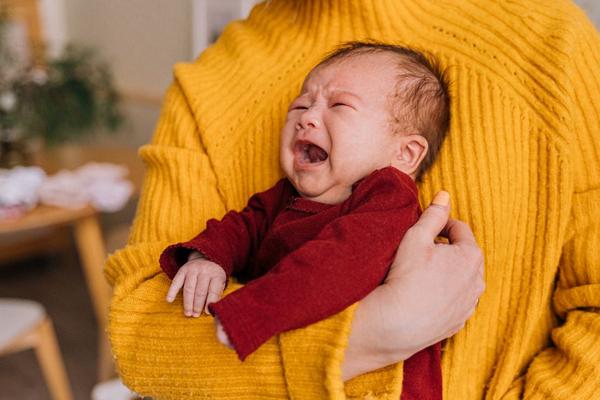
A baby suddenly stiffening, jerking, or becoming unresponsive during a fever is frightening. Febrile seizures in babies, also known as febrile convulsions, are usually short and do not cause lasting harm. Still, a seizure should never be dismissed simply because a child has a temperature. Protecting your baby from injury and knowing when to seek emergency help matter far more than trying to lower the fever immediately.
If this is your baby’s first seizure, call your local emergency number. Call immediately for any seizure lasting five minutes or longer, breathing problems, repeated seizures, or difficulty waking afterwards.
What does a febrile seizure look like?
A baby may abruptly stop responding, become stiff, or develop shaking and rhythmic jerking of the arms and legs. The eyes may roll upward, while breathing or skin colour can briefly change. Some children drool, vomit, or wet themselves. Most episodes last a minute or two, although they can feel much longer.
Afterwards, your baby may cry, seem confused, or fall asleep. Brief sleepiness can occur, but persistent unresponsiveness or breathing difficulty is not something to watch at home. Seek emergency assistance.
Is it a seizure or ordinary shivering?
A baby shivering with fever chills generally remains aware and reacts to you. During a seizure, responsiveness is usually impaired and the movements are involuntary. If you are uncertain, follow seizure first aid and seek medical advice rather than attempting to diagnose the movements yourself.
Febrile seizure first aid: what parents should do
Keep your baby safe and time the episode
Check the clock as the seizure starts. If you can do so safely, place your baby on a low, secure surface away from sharp objects. Protect the head with something soft and flat. Stay beside your child. Ask another adult to call emergency services if help is needed.
Position your baby to protect breathing
Gently turn your baby onto their side when safe so saliva or vomit can drain. Do not force a position against strong movements. Loosen tight clothing around the neck, and watch breathing. After the movements stop, keep your baby on their side while recovering if they are breathing normally.
Avoid dangerous responses
Never restrain your baby’s limbs or place fingers, a spoon, or another object in their mouth. A child cannot swallow their tongue. Do not give water, milk, or medicine during a seizure, and do not use a cold bath to try to stop it.
Imagine your nine-month-old suddenly stiffens and jerks while ill with a fever. Note the time, clear nearby objects, cushion the head, and call emergency services if it is the first episode. Describe the movements and breathing to the dispatcher. If breathing does not return normally after the seizure, follow the dispatcher’s emergency instructions.
When is a seizure with fever an emergency?
A first seizure needs emergency assessment even if it stops quickly. Call for urgent help if a seizure reaches five minutes, another begins before recovery, your baby is injured, breathing is difficult, or your child does not wake properly. Seizures occurring in water also require emergency help.
A stiff neck, a rash that does not fade under pressure, or persistent extreme drowsiness may suggest serious infection and needs urgent evaluation. Seizure-like movements in a baby younger than six months are especially concerning because typical febrile seizures are uncommon at that age. A fever does not automatically rule out meningitis or another dangerous condition.
If your child has previously been assessed and given a personalised seizure action plan, follow it. Otherwise, contact a healthcare professional after any seizure. Video may help the doctor, but recording should never delay first aid or emergency care.
Why do fever seizures happen in babies?
Febrile seizures most often occur between six months and five years, particularly during the toddler years. A developing brain may be susceptible to seizures during an illness that causes fever. Family history can increase the likelihood. Colds, flu, ear infections, and roseola are common examples of associated illnesses.
The seizure can happen early, before a caregiver even notices the fever, and an exceptionally high temperature is not required. A seizure with fever in an infant does not automatically mean it was a febrile seizure. Doctors consider the child’s age, symptoms, and other possible causes.
What happens after a febrile seizure?
A clinician will look for the cause of the fever and ask about the duration, movements, breathing, and recovery. Tests depend on your baby’s age, symptoms, and examination, especially if serious infection is suspected.
A simple febrile seizure affects the whole body, lasts less than fifteen minutes, and occurs once in twenty-four hours. A complex episode may be longer, affect one side, or recur. These medical categories help guide care, but never change the five-minute emergency threshold.
Once fully awake, your baby can return to usual feeds. Watch for dehydration and worsening illness, and ask about age-appropriate fever relief. Information about baby fever warning signs and how to keep a sick baby hydrated can also help you monitor recovery.
Will it happen again, and can it be prevented?
Some children have another febrile seizure during a later fever, but many never experience another. Recurrence is more likely when the first episode happens at a younger age or there is a family history. Most children outgrow the tendency by school age.
Acetaminophen (paracetamol) and ibuprofen can relieve fever-related discomfort when used correctly, but they do not reliably prevent febrile seizures. Use age-appropriate medicines and dosing guidance, and never give children aspirin. Long-term anti-seizure medicine is usually unnecessary after a simple febrile seizure, although a specialist may prescribe emergency treatment for prolonged or repeated episodes.
Most simple febrile seizures cause no brain damage or developmental problems. Having one does not mean your child has epilepsy, although a small minority later develop it. Ask for a written seizure action plan so everyone caring for your baby knows what to do.
Frequently asked questions
Can a baby have a febrile seizure with a mild fever?
Yes. An extremely high reading is not required, and the seizure may be the first obvious sign that your child is ill. Temperature alone cannot confirm the diagnosis.
Should I give fever medicine during the seizure?
No. Never give anything by mouth while your baby is seizing or not fully awake. Discuss appropriate fever care after medical assessment.
Does a febrile convulsion mean my baby has epilepsy?
Usually not. Most children with simple febrile seizures never develop epilepsy. A doctor can explain whether further investigation is appropriate.
What details should I report afterwards?
Tell the doctor your baby’s age, temperature if known, which body parts moved, how long the seizure lasted, any breathing changes, and how recovery progressed. Mention recent symptoms and medicines.
What parents should remember
Febrile seizures in babies can look alarming, but most are brief and have an excellent outlook. Time the episode, protect your child from injury, gently turn them onto their side when safe, and never restrain them or place anything in their mouth. Get emergency help for a first seizure or any danger sign. Finding the cause of the fever remains an essential part of your baby’s care.