
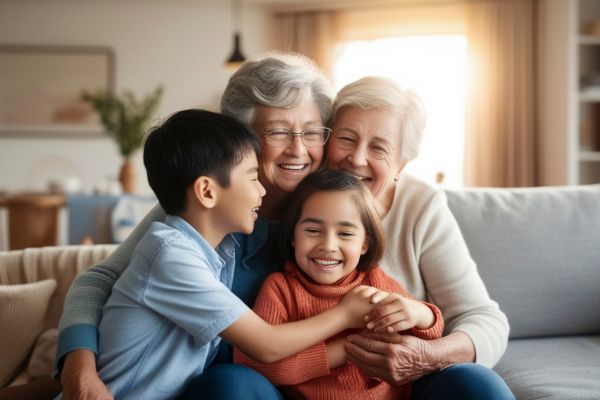
When people talk about raising children, the spotlight usually lands on parents. And yes, parents play the central role. But let’s be real for a moment. In many families, grandparents quietly shape a child’s life in powerful, lasting ways. The topic of Grandparents in child upbringing isn’t just sentimental—it’s practical, emotional, and deeply human.
In today’s fast-paced world, where parents juggle work, responsibilities, and endless to-do lists, grandparents often become the calm anchor. They bring wisdom, patience, and something that’s hard to find these days: time. The thing is, their role goes far beyond babysitting or spoiling kids with sweets. Grandparents help build character, pass on values, and create emotional security that sticks for life.
Let’s talk honestly about why grandparents matter so much in raising children and how their presence can shape healthier, happier families.
Understanding the Role of Grandparents in Child Upbringing
The role of Grandparents in child upbringing has evolved over the years. In traditional households, grandparents were often part of the same home, actively involved in daily parenting. Today, even when families live apart, grandparents still influence children in meaningful ways.
They serve as storytellers, guides, emotional supporters, and sometimes even second parents. Unlike parents, who may feel pressure to discipline, plan, and provide, grandparents usually offer a softer approach. That balance is important. Children benefit from structure, yes, but they also need unconditional acceptance. Grandparents often provide that safe emotional space.
What makes grandparents unique is their perspective. They’ve lived through mistakes, successes, and everything in between. That life experience gives them a calm confidence that children instinctively trust.
Emotional Stability and a Sense of Belonging
One of the strongest contributions of grandparents in child upbringing is emotional stability. Kids feel safe around grandparents. There’s less judgment, fewer expectations, and more listening. Sometimes, a child opens up to a grandparent about fears or frustrations they don’t know how to express to their parents.
That emotional bond builds resilience. When children know they have someone who will listen without rushing or correcting, it boosts their self-worth. You know how kids light up when they hear, “I’ve got time, tell me everything”? That’s the magic.
Grandparents also help children feel connected to something bigger than themselves. They create a sense of family identity. Through shared meals, traditions, and conversations, kids learn where they come from—and that matters more than we often realize.
Passing Down Values, Culture, and Traditions
Values aren’t always taught through lectures. Most of the time, they’re passed down quietly through stories, habits, and everyday behavior. This is where grandparents shine.
Grandparents in child upbringing often act as cultural bridges. They share family history, cultural traditions, religious beliefs, and moral lessons that might otherwise fade with time. Whether it’s a bedtime story from their childhood or a tradition passed down for generations, these moments shape a child’s identity.
The thing is, kids don’t just learn facts from grandparents—they learn meaning. They understand why kindness matters, why patience pays off, and why family should stick together. These lessons don’t come from textbooks. They come from lived experience.
Support for Parents Without Taking Over
Here’s where balance becomes important. When grandparents support parents instead of replacing them, everyone benefits. Healthy involvement means helping without controlling and advising without criticizing.
Grandparents in child upbringing often ease parental stress in ways parents may not even notice at first. Helping with childcare, offering advice when asked, or simply being there during tough times can make parenting feel less overwhelming.
Let’s be honest—parenting can be exhausting. Having grandparents step in with empathy instead of judgment can be a lifesaver. The best grandparents understand that parenting styles change over time. They respect boundaries while still offering guidance when it’s truly needed.
Teaching Patience and Life Skills
Children learn differently with grandparents. There’s less rush, fewer screens, and more hands-on interaction. Cooking together, gardening, fixing things, or even just talking during a walk—these slow moments teach patience and practical life skills.
Grandparents tend to focus on process rather than results. A crooked drawing or a half-finished puzzle doesn’t matter. What matters is effort. That mindset helps children develop confidence without fear of failure.
In many cases, grandparents in child upbringing become role models for calm problem-solving. When children see adults handling challenges with grace, they learn to do the same. It’s subtle, but powerful.
The Impact on Children’s Mental and Social Development
Studies and real-life experiences consistently show that children with involved grandparents often have better emotional and social outcomes. They tend to be more empathetic, emotionally secure, and socially confident.
Why? Because they experience love from multiple sources. They learn that relationships can look different and still be healthy. Grandparents expose children to different communication styles, opinions, and ways of thinking—all within a safe environment.
Also, grandparents are often great listeners. They don’t rush conversations or interrupt with solutions. That teaches children how to express themselves clearly and respectfully.
When Grandparents Take on a Primary Caregiver Role
In some families, grandparents are more than supporters—they are the main caregivers. This can happen due to various life circumstances, and while it comes with challenges, it also highlights the strength of grandparents in child upbringing.
Raising grandchildren requires patience, adaptability, and emotional strength. Grandparents who step into this role often do so out of love and responsibility, even when it means personal sacrifice.
Children raised by grandparents can thrive when given consistency, affection, and stability. The key lies in open communication, access to support systems, and mutual respect within the family structure.
Building Strong Grandparent-Grandchild Relationships
Strong relationships don’t happen by accident. They grow through time, attention, and shared experiences. Simple routines—like regular phone calls, weekly visits, or shared hobbies—create lasting bonds.
Encouraging meaningful interaction between grandparents and grandchildren strengthens family unity. It also helps children develop respect for older generations, something that feels increasingly rare today.
The beauty of grandparents in child upbringing is that their influence doesn’t fade as children grow older. In fact, many adults look back and realize their grandparents shaped their worldview more than anyone else.
Challenges and How Families Can Navigate Them
Of course, no family dynamic is perfect. Differences in parenting styles, boundaries, or expectations can cause tension. The key is communication.
Parents and grandparents must talk openly about roles, limits, and responsibilities. Respect goes both ways. When everyone feels heard, cooperation becomes easier.
The goal isn’t perfection. It’s harmony. And when families work together, children benefit the most.
Why Grandparents Matter More Than Ever Today
In a world filled with noise, pressure, and constant change, grandparents offer something rare—steadiness. They remind children that life isn’t just about speed or success. It’s about connection, kindness, and understanding.
Grandparents in child upbringing provide emotional grounding that helps children navigate challenges with confidence. Their presence reminds kids that they are loved, supported, and never alone.
Final Thoughts on Grandparents in Child Upbringing
At the end of the day, grandparents aren’t just helping raise children—they’re shaping future adults. Their stories, patience, and unconditional love leave marks that last a lifetime.
The role of Grandparents in child upbringing is deeply valuable, whether they live under the same roof or miles away. They bring balance to families, wisdom to children, and comfort to parents. When grandparents are involved with love, respect, and understanding, everyone wins.
So if you’re lucky enough to have grandparents actively involved in your child’s life, cherish it. Because those quiet moments, shared laughs, and gentle lessons? They matter more than we often realize.