
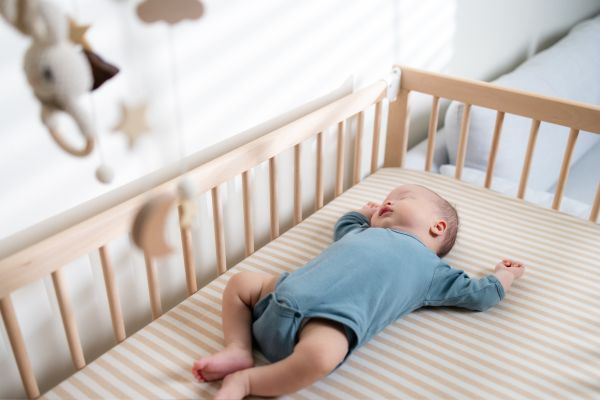
There’s a moment most parents know all too well. The house is finally quiet, the baby is asleep, and you allow yourself to relax—only to hear that familiar cry far sooner than you hoped. It can feel like an endless cycle. If you’re trying to help baby sleep longer, you’re not alone, and you’re certainly not doing anything wrong.
Sleep, especially in the first year, is less about strict schedules and more about understanding rhythms—tiny, evolving patterns that shift as your baby grows. The good news is that longer stretches of sleep are possible, and they usually come not from one magic trick, but from a collection of thoughtful, consistent habits.
Understanding Why Babies Wake So Often
Before trying to change your baby’s sleep, it helps to understand why it looks the way it does. Babies aren’t wired for long, uninterrupted sleep in the beginning. Their sleep cycles are shorter than adults’, and they spend more time in lighter stages of sleep.
Hunger is another factor. Small stomachs empty quickly, especially in younger infants. Growth spurts can make things even more unpredictable, leading to frequent waking even if things seemed to improve for a few days.
And then there’s development. Every milestone—rolling, crawling, even recognizing familiar faces—can temporarily disrupt sleep. It’s frustrating, yes, but also a sign that your baby’s brain is busy doing important work.
When you try to help baby sleep longer, you’re working with these natural patterns, not against them.
Creating a Calm and Predictable Bedtime Routine
Babies thrive on familiarity. A simple, consistent bedtime routine sends a clear signal that sleep is coming. It doesn’t need to be elaborate. In fact, the simplest routines are often the most effective.
A warm bath, a quiet feeding, dim lighting, and a soft lullaby can gently guide your baby toward sleep. Over time, these cues become powerful. Your baby begins to associate them with rest, making it easier to settle and, eventually, stay asleep longer.
What matters most is consistency. Even on busy days, keeping the sequence familiar helps anchor your baby’s expectations.
The Role of Daytime Sleep in Nighttime Rest
It might seem counterintuitive, but better naps often lead to better nighttime sleep. An overtired baby tends to wake more frequently, not less. When babies stay awake too long, their bodies release stress hormones that make it harder to fall—and stay—asleep.
Watching for sleepy cues can make a big difference. Yawning, rubbing eyes, or becoming fussy are early signs that your baby is ready for rest. Catching that window helps prevent overtiredness.
If your goal is to help baby sleep longer at night, don’t overlook the importance of balanced daytime sleep. It’s all connected.
Feeding and Sleep: Finding the Right Balance
Feeding plays a central role in how long a baby sleeps. A well-fed baby is more likely to settle into longer stretches, but timing and approach matter.
Some parents find that offering a slightly fuller feeding before bedtime helps extend the first stretch of sleep. Others notice that cluster feeding in the evening naturally leads to longer rest periods.
As babies grow, they gradually need fewer night feedings. This shift doesn’t happen overnight, but recognizing when your baby is waking out of habit rather than hunger can help guide gentle changes.
Still, every baby is different. There’s no universal timeline, and flexibility often leads to better outcomes than strict rules.
Helping Babies Learn to Settle Themselves
One of the most talked-about aspects of sleep is self-soothing. It’s not about leaving a baby to cry indefinitely, but about giving them small opportunities to drift back to sleep on their own.
Sometimes babies stir between sleep cycles and make small noises without fully waking. Pausing for a moment before intervening can allow them to resettle naturally. It’s a subtle shift, but over time, it can make a noticeable difference.
If you’re trying to help baby sleep longer, encouraging this gentle independence can support more continuous sleep—without forcing anything.
The Sleep Environment Matters More Than You Think
A baby’s surroundings can quietly shape how well they sleep. A dark, cool, and quiet room helps signal that it’s time for rest. Even small adjustments—like blackout curtains or soft white noise—can improve sleep quality.
Temperature also plays a role. Babies tend to sleep better when they’re comfortably cool rather than too warm. Lightweight sleepwear and breathable fabrics can help maintain that balance.
It’s not about creating a perfect environment, but a consistent one. Familiarity builds comfort, and comfort encourages longer stretches of sleep.
Growth Spurts and Sleep Regressions
Just when you think you’ve figured it out, sleep can suddenly unravel. This often happens during growth spurts or developmental leaps.
Sleep regressions can feel discouraging, especially if your baby had started sleeping longer. But they’re usually temporary. During these periods, your baby may need extra comfort, more frequent feedings, or simply more reassurance.
Instead of seeing these disruptions as setbacks, it can help to view them as phases. When the underlying growth settles, sleep often improves again—sometimes even better than before.
The Importance of Realistic Expectations
One of the hardest parts of early parenthood is managing expectations. Social media and well-meaning advice can make it seem like babies “should” sleep through the night by a certain age.
In reality, sleep develops gradually. Some babies naturally begin longer stretches earlier, while others take more time. Both are normal.
Trying to help baby sleep longer isn’t about chasing perfection. It’s about supporting your baby’s unique rhythm while making small, sustainable improvements.
Finding What Works for Your Baby
There’s no single approach that works for every baby. Some respond well to structured routines, while others need a more flexible, intuitive approach.
You might find that a slight change—adjusting bedtime by 15 minutes, or tweaking nap timing—makes a surprising difference. Or you might need to try a few different strategies before something clicks.
Trusting your instincts plays a bigger role than many people realize. You know your baby better than anyone else, and your observations are often the most valuable guide.
When Sleep Improves—And When It Doesn’t
Over time, most babies naturally begin to sleep longer stretches. It’s a gradual shift, often so subtle you only notice it in hindsight.
But if sleep continues to feel unusually challenging, it’s okay to seek guidance. Pediatricians or sleep specialists can offer reassurance and help rule out underlying issues.
There’s no shame in needing support. Sleep is complex, and even small changes can feel overwhelming when you’re exhausted.
Conclusion: A Gentle Path Toward Longer Sleep
Learning how to help baby sleep longer isn’t about quick fixes or rigid systems. It’s a process—one that unfolds slowly, shaped by your baby’s growth and your growing understanding of their needs.
Some nights will be easier than others. Some weeks will feel like progress, while others might feel like a step back. That’s all part of it.
With consistency, patience, and a willingness to adapt, longer stretches of sleep usually come. Not perfectly, not all at once—but gradually, in a way that feels natural for both you and your baby.
And when those longer nights finally arrive, they tend to feel less like a victory—and more like a quiet, well-earned relief.