
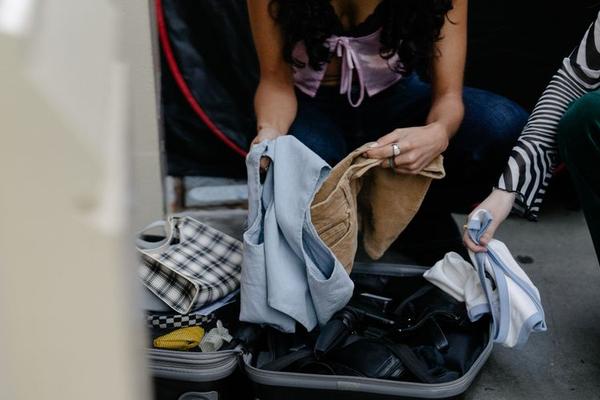
When labor starts, the last thing you want is to stand in the hallway wondering whether the phone charger, baby hat, or maternity notes ever made it into the bag. A useful hospital bag checklist for labor is less about packing everything you might possibly need and more about making the first hours of labor, the immediate recovery period, and the trip home easier. Hospital policies and what they supply vary, so check your maternity unit’s own guidance before you zip the bag.
Many maternity services suggest having your bag ready a few weeks before your due date. A practical target is around 35 to 37 weeks, or earlier if your care team has told you there is a higher chance of an early birth. One simple trick is to divide your things into a small “labor bag” and a second bag for after birth. That way, your birth partner is not digging through newborn clothes while you are asking for lip balm.
What to Pack for Labor
Documents, medicines, and essentials
Start with the items that would be hardest to replace quickly: your maternity or hospital notes, birth plan if you have one, any admission paperwork your hospital has requested, and the regular medicines you take. Keep medicines in their original packaging where possible and tell your care team what you have brought. Add your glasses or contact-lens supplies if you use them, plus your phone and an extra-long charging cable or power bank.
Comfort items for the labor room
Choose loose, comfortable clothing that allows you to move and does not make you too warm. Pack socks, slippers or flip-flops, a light dressing gown, hair ties, lip balm, a water bottle, and simple toiletries. A small fan or water spray can be useful in a warm room. If you plan to use a TENS machine, bring the device and spare batteries after confirming that it fits your birth plan and local guidance.
Include a few things that help you settle, such as headphones, a playlist, an eye mask, or a familiar comfort item if permitted. Snacks and drinks can be useful, but follow your clinical team’s instructions about eating and drinking if procedures or anesthesia are being considered.
What Mom Needs After Delivery
Clothing and personal care
Your delivery bag checklist should include loose clothing, comfortable underwear, sleepwear, and an easy outfit for going home. If you plan to breastfeed, front-opening nightwear and a supportive nursing bra can make feeds more convenient. Pack basic toiletries, shower shoes, and a towel if your hospital recommends bringing one.
Postpartum bleeding and feeding supplies
Bleeding after birth is normal, so bring highly absorbent maternity or postpartum pads and several pairs of large, comfortable underwear or disposable underwear. Breast pads can be useful whether or not you expect to leak immediately. If you plan to formula feed, ask your hospital in advance what it provides and what type of ready-to-feed formula, bottles, or teats you are expected to bring; policies differ between maternity units.
A practical example: pack one complete post-birth change of clothes, underwear, and a pad together in a small zip pouch. After delivery, your partner can hand you one pouch instead of searching through the entire hospital bag pregnancy setup while you are tired and recovering.
What to Pack for Baby
Clothes and changing supplies
For most short hospital stays, pack several bodysuits or vests, sleepsuits, a hat, socks or booties if needed, muslin cloths, newborn nappies, and cotton wool or newborn-appropriate wipes according to your hospital’s advice. Add a blanket or shawl and a weather-appropriate going-home outfit. Newborn sizing is not perfectly predictable, so bringing more than one size can save a last-minute problem.
Getting baby home safely
If you will travel home by car, have an appropriate rear-facing infant car seat ready and learn how to fit and use it before labor. Do not wait until discharge to open the instructions for the first time. Keep bulky coats or thick padded clothing out from under the harness; use light layers and follow the car-seat manufacturer’s guidance for safe positioning.
What the Birth Partner Should Bring
A birth partner needs a small kit too: comfortable clothes, toiletries, regular medicines, phone and charger, snacks, drinks, and payment or parking information if relevant. If your partner may stay overnight, check what overnight facilities are provided before packing extra items.
Partners should also know where the important things are. Before labor, show them which pocket contains documents, where the baby’s first outfit is packed, and which pouch holds your after-birth essentials. This tiny rehearsal can make the bag far more useful than adding another ten “just in case” products.
What You Can Usually Leave at Home
Avoid overpacking valuables, large amounts of cash, bulky baby equipment, multiple blankets, or a full nursery’s worth of toiletries. Many hospitals have limited storage space. Large suitcases can make a small room harder to manage, especially when staff need clear access around the bed. Ask your maternity unit what it routinely supplies so you do not duplicate items such as basic baby-care products, towels, or feeding equipment.
Useful related topics to keep handy while preparing include signs of labor, how to write a birth plan, and newborn essentials for the first week at home. Treat those as the next parts of your preparation rather than trying to squeeze every possible need into one bag.
Hospital Bag Checklist FAQ
When should I pack my hospital bag?
Aim to have it ready several weeks before your due date. Many maternity services recommend roughly 35 to 37 weeks or at least three weeks before the due date. Pack earlier if your clinician advises you to because of your pregnancy circumstances.
How many bags should I take to the hospital for labor?
One bag can work, but two smaller bags are often easier: one for labor and one for postpartum and baby items. Keep the labor bag accessible so essentials are easy to reach immediately.
How many baby outfits should I pack?
For an uncomplicated short stay, several vests or bodysuits and sleepsuits are usually sensible, plus a going-home outfit. Pack a little extra in case clothing becomes wet or soiled, and consider taking two nearby newborn sizes.
Do hospitals provide nappies, pads, and formula?
Some do and some do not. Supplies vary by hospital, birth centre, and country, so check directly with your maternity unit. If you plan to formula feed, ask specifically what feeding supplies are available and what you are expected to bring.
Pack for the Moments That Matter
The best answer to what to pack for labor is not “everything.” It is a small, organised set of essentials that supports comfort, communication, recovery, baby care, and a safe journey home. Pack early, keep documents and medicines easy to reach, separate labor items from after-birth supplies, and let your partner learn the layout of the bag. A little preparation now can make arrival at the hospital feel calmer when the day finally comes.