Becoming a parent changes the way many people think about everyday products. Items that once seemed ordinary suddenly raise questions about ingredients, materials, waste, and long-term impact. A plastic bottle cap, a disposable wipe, or a synthetic fabric blanket can start to feel more significant when used around a newborn every single day.
That shift helps explain the growing interest in eco friendly baby products. Parents are not only thinking about convenience anymore. They are also thinking about health, sustainability, durability, and the kind of environment their children will grow up in.
The modern baby industry is enormous, and not all “eco-friendly” claims carry the same meaning. Some products genuinely focus on reducing waste and using safer materials, while others rely mostly on attractive packaging and marketing language. For parents already overwhelmed by feeding schedules, sleep deprivation, and endless decision-making, sorting through all of it can feel exhausting.
Still, many families are moving toward simpler, more sustainable baby products not because they want perfection, but because small daily choices begin adding up over time.
Why Parents Are Rethinking Baby Products
Babies go through an incredible amount of stuff. Diapers, wipes, bottles, clothing, bibs, toys, feeding accessories, and bath products often cycle through households at surprising speed. Some items are used for only a few months before being outgrown completely.
That reality naturally raises questions about waste and consumption.
Disposable products offer convenience, especially during the exhausting newborn stage, but many parents eventually notice how quickly trash accumulates. At the same time, concerns about chemicals, fragrances, plastics, and synthetic materials have encouraged families to pay closer attention to what touches their babies’ skin and surroundings.
The movement toward eco friendly baby products is partly environmental and partly personal. Parents often describe wanting products that feel safer, gentler, and less overwhelming in general.
Interestingly, many sustainable baby products also reconnect families with older habits that existed long before modern convenience culture became dominant. Cloth diapers, wooden toys, cotton fabrics, and reusable feeding tools are not necessarily new ideas. In many ways, they are simply returning in updated forms.
Organic Baby Clothing and Natural Fabrics
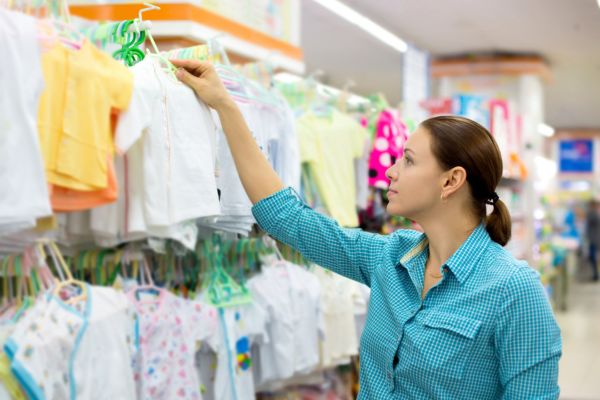
Baby skin is sensitive, especially during the first year. Fabrics that feel soft and breathable become important quickly because babies spend most of their time wrapped in clothing, blankets, or bedding.
Organic cotton has become one of the most common materials in eco friendly baby products because it is grown with fewer synthetic pesticides and processed with fewer harsh chemicals compared to conventional cotton. Many parents appreciate the softer texture and reduced exposure to strong dyes or treatments.
Bamboo fabrics have also gained popularity due to their softness and moisture-wicking properties. Some parents love how lightweight and stretchy bamboo clothing feels, especially for sleepwear and swaddles.
At the same time, durability matters too. Babies grow quickly, but clothing still experiences constant washing because of spills, spit-up, and diaper leaks. Sustainable fabrics that hold up well through repeated use often become practical investments simply because they last longer.
Hand-me-down culture also fits naturally into this conversation. Well-made baby clothes are frequently reused across siblings, cousins, and friends, reducing unnecessary waste without requiring dramatic lifestyle changes.
Cloth Diapers and the Modern Reusable Movement
Few topics spark stronger opinions in parenting discussions than diapers.
Disposable diapers are convenient, widely available, and often easier during travel or busy schedules. But they also create enormous amounts of waste over time. A single baby may use thousands of diapers before potty training begins.
This is one reason cloth diapers continue attracting interest among environmentally conscious parents.
Modern cloth diapers look very different from older generations’ folding cloth systems. Adjustable snaps, absorbent inserts, waterproof outer layers, and easier washing methods have made reusable diapering more accessible than many people expect.
Still, cloth diapering is not always simple. Laundry routines increase significantly, and not every family has the time, space, or energy to maintain full reusable systems.
Interestingly, many parents now choose hybrid approaches instead of all-or-nothing solutions. Some use cloth diapers at home and disposables while traveling or overnight. Others gradually transition based on what feels manageable.
The broader shift reflects a growing willingness to rethink convenience culture rather than completely reject it.
Reusable Feeding Products and Less Plastic Waste
Feeding supplies accumulate quickly during infancy. Bottles, storage containers, snack cups, utensils, and food pouches become part of daily routines almost immediately.
Because of this, reusable feeding products have become central to many eco-conscious parenting choices.
Glass baby bottles have regained popularity because they avoid some concerns associated with plastics while lasting longer over time. Stainless steel containers and silicone feeding accessories are also widely used because they tend to be durable and reusable across multiple developmental stages.
Silicone bibs, reusable snack bags, and refillable food pouches help reduce disposable waste during toddler years especially.
What often surprises parents is that sustainable feeding products sometimes simplify organization too. Fewer disposable items often lead to less clutter and more consistent routines.
That said, sustainability in parenting rarely looks perfectly organized in real life. Even families focused heavily on reducing waste still rely on convenience products at times. Parenting tends to involve flexibility more than strict systems.
Wooden Toys and Simpler Play Spaces
Toy clutter becomes almost unavoidable once babies begin exploring their environment. Plastic toys with flashing lights, loud music, and battery-powered features often dominate store shelves, but many parents are gradually moving toward simpler alternatives.
Wooden toys remain one of the most recognizable categories within eco friendly baby products because they tend to feel more durable, timeless, and less overstimulating.
Natural wood textures, softer colors, and open-ended play designs often create calmer play environments compared to highly electronic toys. Many parents also appreciate that quality wooden toys frequently last long enough to pass down between children.
This shift reflects a broader parenting conversation about overstimulation and intentional play spaces.
Minimalist playrooms and toy rotation systems have become increasingly common as families try to reduce clutter while encouraging more focused engagement during playtime.
Of course, children rarely care whether toys are labeled sustainable or not. They care about curiosity, interaction, texture, movement, and attention from caregivers. Simpler toys often leave more room for imagination because they do less automatically.
Eco-Friendly Baby Furniture and Nursery Choices
Nursery preparation often introduces parents to sustainability questions earlier than expected. Cribs, mattresses, dressers, rugs, and paint choices all suddenly become part of conversations about materials and indoor air quality.
Many eco-conscious parents now look for furniture made from sustainably sourced wood or low-emission materials that reduce exposure to volatile organic compounds often found in certain paints and finishes.
Crib mattresses made with organic cotton, natural latex, or plant-based materials have also become more common.
What matters most for many families is balance rather than perfection. Sustainable nursery design does not necessarily mean creating expensive designer spaces. Often, it involves thoughtful choices such as buying secondhand furniture, using non-toxic paint, or avoiding unnecessary plastic-heavy decorations.
Secondhand parenting culture has become especially important here. Babies outgrow furniture and gear surprisingly quickly, and many items remain in excellent condition after minimal use.
Reusing products extends their lifespan naturally while reducing consumption at the same time.
Bath and Skincare Products With Simpler Ingredients
Baby skincare has changed significantly over the years. Parents today pay much closer attention to ingredient labels, fragrances, preservatives, and artificial additives in products used regularly on babies’ skin.
Many eco friendly baby products in the skincare category focus on simplicity. Fragrance-free lotions, plant-based cleansers, and minimal ingredient formulas have become increasingly popular among parents seeking gentler options.
This does not necessarily mean every natural product is automatically better or safer, but there is growing awareness around ingredient transparency and unnecessary chemical exposure.
Bath routines themselves often become quieter, slower moments within busy parenting days. Soft towels, gentle soaps, and calming environments matter emotionally as much as practically during those early years.
Sometimes sustainable parenting choices grow naturally from wanting simpler routines overall.
The Pressure to Parent Perfectly
One challenge surrounding eco-conscious parenting is the pressure to do everything perfectly. Social media often presents highly curated images of minimalist nurseries, fully reusable lifestyles, and carefully coordinated organic products that may feel unrealistic for many families.
The reality is usually much messier.
Most parents are balancing budgets, exhaustion, work schedules, and daily survival while trying to make thoughtful decisions where possible. Sustainable parenting does not require eliminating every disposable item or achieving completely waste-free living.
For many families, choosing a few eco friendly baby products that genuinely fit their routines is enough.
Small changes matter too. Reusing clothing, reducing unnecessary purchases, choosing durable items, or simplifying toy collections all contribute in meaningful ways without requiring perfection.
Parenthood already involves enough pressure without turning sustainability into another impossible standard.
Conclusion
The growing interest in eco friendly baby products reflects more than environmental awareness alone. It reflects a broader desire for simplicity, safety, durability, and more intentional parenting choices during a stage of life that often feels overwhelming.
Organic fabrics, reusable feeding supplies, wooden toys, cloth diapers, natural skincare products, and sustainable nursery materials all offer different ways for families to reduce waste and create gentler environments for their children.
At the same time, sustainable parenting looks different for every family. Some embrace large lifestyle changes, while others make smaller adjustments where they can realistically manage them.
In the end, the most meaningful choices are often the practical ones that support both the child and the family without adding unnecessary stress. Eco-conscious parenting is rarely about perfection. More often, it is about slowing down enough to consider what truly matters in everyday life with a growing child.